SAFETY RESOURCES
Backcountry Communications
Reliable communication is an important part of safe travel in remote areas. This guide explores the different tools and radio systems commonly used by backcountry travelers across British Columbia.
COMMUNICATION BASICS
Choosing the Right Communication Setup
Different communication tools serve different purposes in the backcountry. Some are designed for group communication, others for monitoring industrial traffic on forest service roads, and others for emergency messaging when outside cellular coverage.
Understanding the strengths and limitations of each option helps ensure you choose the right system for your needs.
COMMUNICATION TYPES
Common Systems Used in the Backcountry
Resource Road
Radio
Amateur Radio
(Ham)
Satellite Communication Devices
License-Exempt Radios (CB, FRS)
ASSOCIATION INITIATIVE
Simplifying Backcountry Communications
4WDABC has secured its own licensed radio channel that allows members to communicate within their group while traveling on backroads. This channel works alongside the Resource Road system and helps reduce congestion on industrial traffic frequencies.
Members can request a Letter of Authorization that allows programming of the channel when applying for radio licensing.
EQUIPMENT GUIDANCE
Choosing the Right Radio
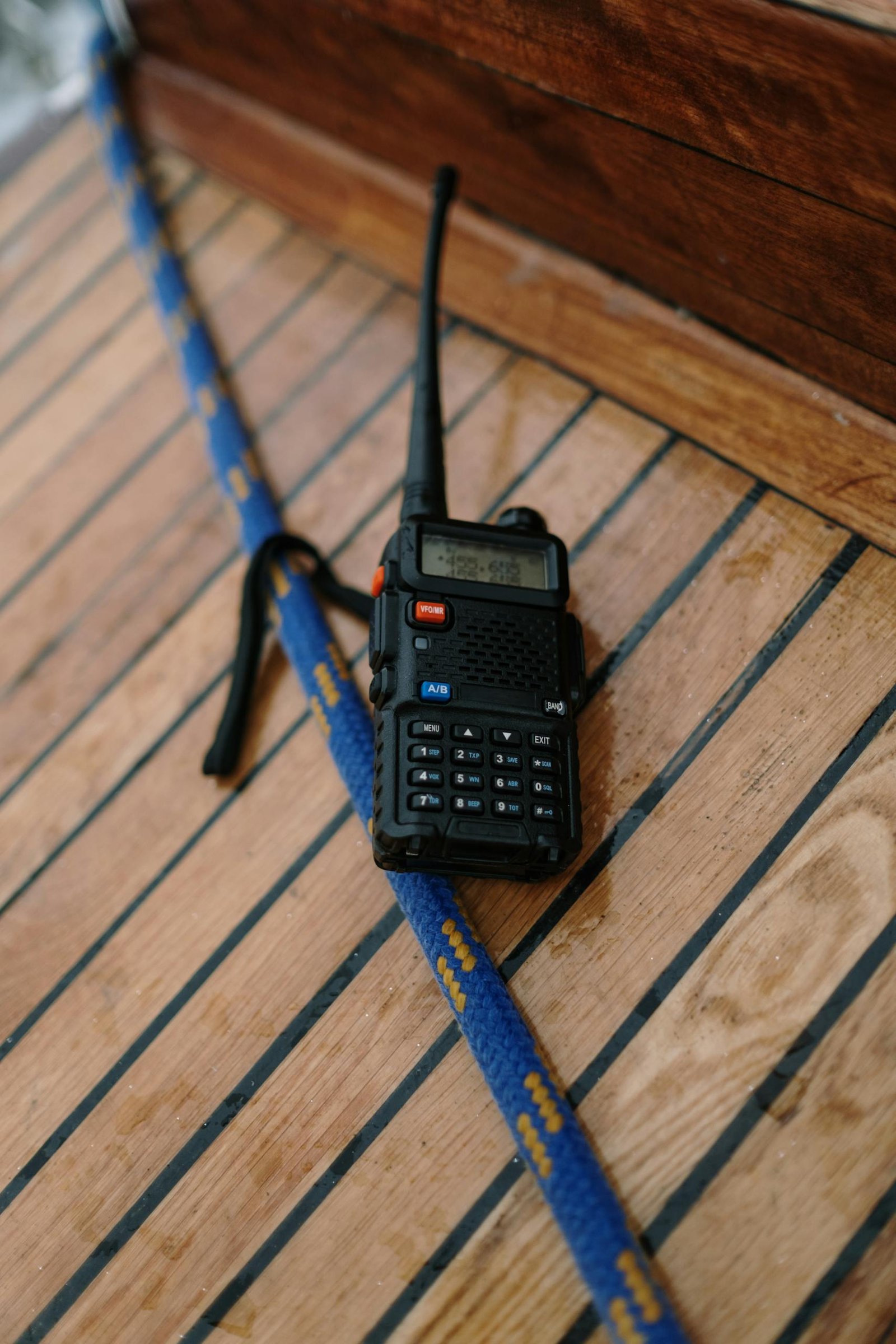
When purchasing a radio for backcountry travel, it’s important to understand the difference between commercial land-mobile radios, amateur radios, and license-exempt consumer devices.
Consider factors such as:
DETAILED RESOURCES
Communication Systems Explained
The following sections provide additional detail on the communication systems commonly used in British Columbia’s backcountry. These resources are intended to help users understand how each system works, along with the legal and technical considerations involved.
Official Information
Additional Communication Resources
For more detailed information on radio systems, licensing requirements, and best practices for backcountry communication, the following official resources provide guidance and technical documentation.
If you’re unsure which communication setup is right for your needs, you can contact the 4WDABC communications team for guidance.
Official Information
Additional Communication Resources
For more detailed information on radio systems, licensing requirements, and best practices for backcountry communication, the following official resources provide guidance and technical documentation.
If you’re unsure which communication setup is right for your needs, you can contact the 4WDABC communications team for guidance.
Government & Official Resources
Safety & Supporting Organizations
Amateur Radio Resources
Amateur Radio Information (ISED Canada)
Tools & Databases
GET INVOLVED
Support Responsible Recreation in British Columbia
4WDABC works to protect backcountry access through advocacy, stewardship projects, education programs, and community initiatives across the province.